The Power of Documentation: Turning Silence into Public Accountability
In societies where injustice thrives, silence is rarely accidental. It is engineered…through lost files, delayed rulings, missing records, and stories buried under legal jargon or bureaucratic fog. Documentation is the antidote. When court records, timelines, and lived experiences are carefully preserved and translated into clear public narratives, injustice loses its most powerful shield: obscurity.
Documentation is not just record-keeping. It is resistance.
From Fragmented Facts to Coherent Truth
Most victims of injustice do not lack evidence; they lack structure. Court filings exist in isolation. Judgments are delivered but not enforced. Police reports contradict medical records. Witness testimonies fade into memory. Individually, these fragments seem powerless. Together, they form a story that cannot be ignored.
Documentation connects the dots.
A properly documented case establishes:
• What happened
• When it happened
• Who was involved
• What the law required
• What the system failed to do
By building clear timelines and preserving official records alongside personal testimony, documentation transforms chaos into clarity. It exposes patterns of delay, selective enforcement, and procedural abuse that would otherwise be dismissed as isolated incidents.
Grounding Every Story in Evidence
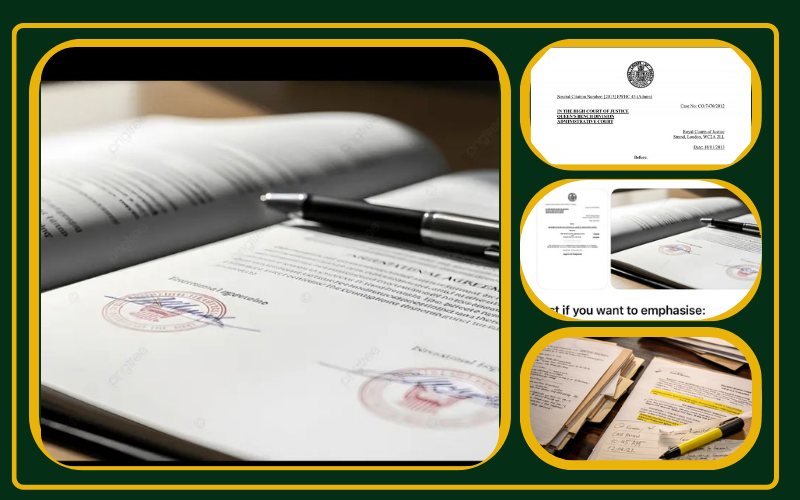
Public narratives gain legitimacy when they are anchored in verifiable facts. In an age of misinformation, credibility is currency. Documentation ensures that every claim can be traced back to evidence….court rulings, charge sheets, bail conditions, petitions, correspondence, or medical and forensic reports.
This grounding matters because power often responds not to emotion, but to proof.
When stories are evidence-based:
• Authorities are forced to respond, not deflect
• Media coverage shifts from sensationalism to scrutiny
• Advocacy moves from outrage to action
• Denials become harder to sustain
Documentation replaces “allegations” with records, and “claims” with files stamped and dated by the very system being questioned.
Translating Legal Complexity into Public Understanding
One of injustice’s most effective weapons is complexity. Legal language alienates the public. Procedures obscure
responsibility.
Delays are normalised. Documentation breaks this barrier by translating technical processes into human-readable narratives.
A documented story explains:
• What the law says should happen
• What actually happened
• Where the deviation occurred
• Who benefited from that deviation
This translation is critical. A judgment ignored for ten years is no longer just a legal failure….it becomes a public policy issue, a governance issue, and a moral one. When the public understands the process, they can interrogate it.
Accountability Through Traceability
Documentation introduces accountability by making actions traceable. When decisions, delays, and omissions are recorded, responsibility can no longer be endlessly shifted.
Paper trails expose:
• Officials who failed to act
• Institutions that enabled delay
• Patterns of preferential treatment
• Systemic neglect of the vulnerable
This traceability protects victims from being erased and prevents institutions from rewriting history. It also safeguards advocates and journalists, ensuring that exposure is based on facts rather than conjecture.
Preserving Lived Experience as Historical Record
Beyond courts and files are human lives disrupted….years lost in detention, families drained by legal fees, reputations destroyed without conviction.
Documentation validates these lived experiences by placing them alongside official records, not beneath them.
Personal testimony gives context to evidence:
• It shows the cost of delay
• It reveals the emotional and economic toll
• It humanizes statistics
• It preserves memory where institutions prefer forgetting
When lived experiences are documented, they become part of the historical record, ensuring that injustice is remembered not just as a legal failure, but as a human one.
Enabling Action, Not Just Awareness
Documentation is most powerful when it leads somewhere. Clear, evidence-based narratives enable:
• Strategic litigation
• Policy reform advocacy
• International human rights engagement
• Sustained media pressure
• Community mobilization
Without documentation, outrage dissipates. With it, action becomes possible.
Conclusion:
Evidence Is the Language Power Understands
In unequal systems:
The rich often evade consequences not because they are innocent, but because their actions are buried under influence, delay, and selective enforcement.
The poor suffer not because they are guilty, but because their stories are undocumented, disorganized, or ignored.
Documentation levels the field.
Where every story is grounded in evidence, every claim accountable, and every failure traceable, injustice struggles to hide.
Documentation does not guarantee justice….but without it, justice rarely arrives.
In turning records into narratives, and narratives into accountability, documentation ensures that silence is no longer the final verdict.
This is a public awareness article.
Case Status:
Published: 04.01.2026
SPOTLIGHT CASES
PRESS STATEMENT
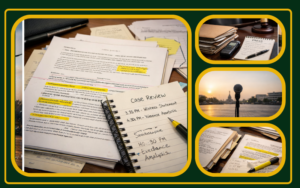
Cry for Justice Nigeria Impact & Accountability Framework
Bigger Picture: Rule of Law at Stake
The Body Still in the Morgue